Pressure washing PSI by surface means choosing water pressure for the material being cleaned, not just for the stain. Concrete can handle more force than wood, stucco, or painted siding. The right nozzle, distance, angle, water flow, and cleaner help remove grime without marks or damage.
A dark stain may look the same on two surfaces. Yet each surface may need a different cleaning plan. A dirty concrete walk may need controlled pressure, while a painted wall may need low pressure and mild soap.
This surface-first method helps homeowners, tenants, property owners, and business managers avoid a common mistake. Do not keep raising the machine setting until the stain disappears. Good cleaning starts with the material, its condition, and the cause of the stain.
Table of Contents
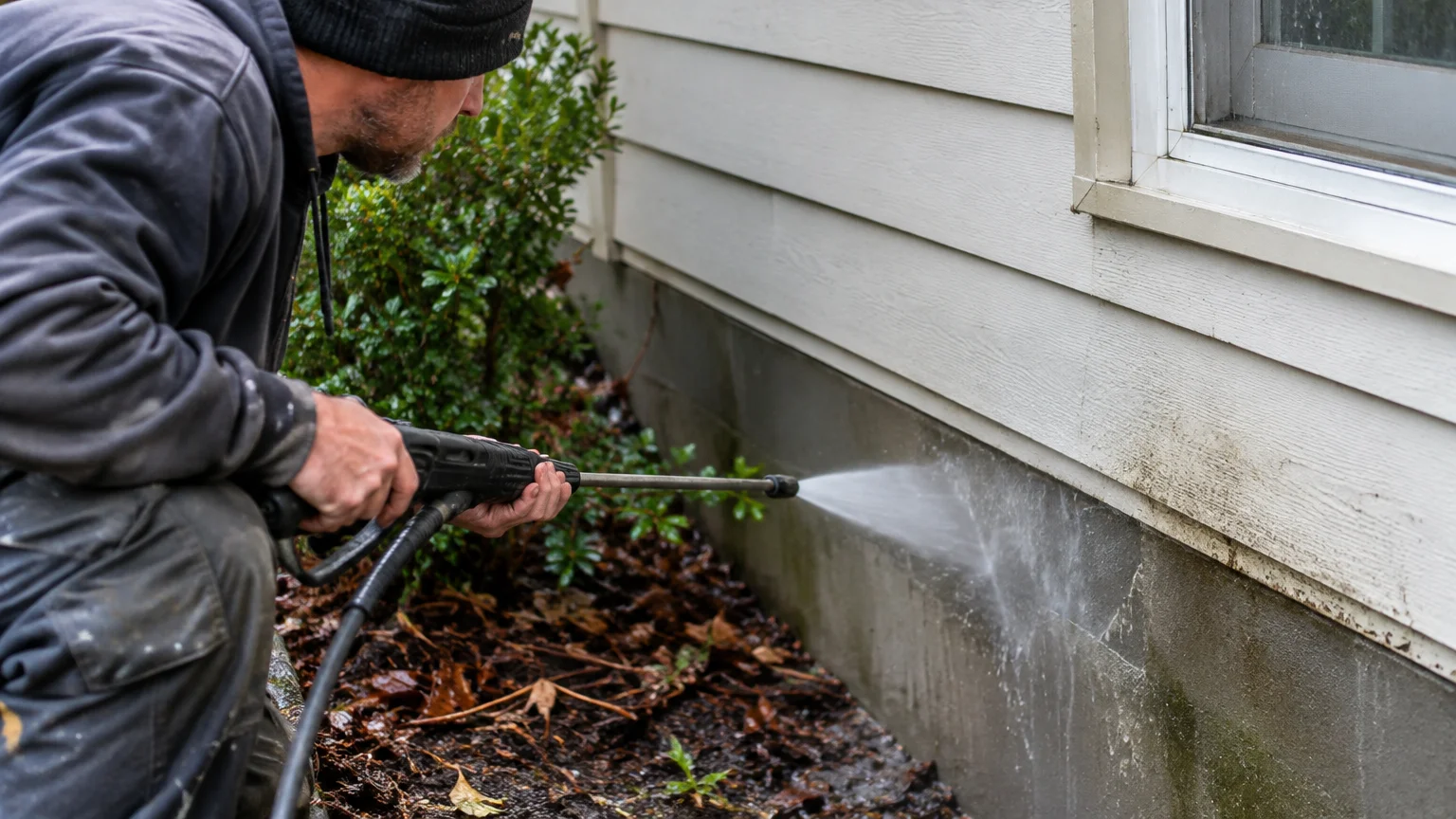
- Why is pressure matched to the surface instead of the stain?
- What does pressure washing PSI by surface mean?
- Which pressure settings are safe for common exterior surfaces?
- How do nozzles and spray distance affect surface safety?
- What damage can incorrect pressure cause?
- When is pressure washing safe to do yourself?
- How can you choose the right cleaning method for a surface?
- Frequently Asked Questions
Why is pressure matched to the surface instead of the stain?
Pressure is matched to the surface because the material may fail before the stain does. A strong spray may clean concrete while cutting soft wood, loosening paint, or forcing water behind siding. The cleaner must protect the surface while removing the unwanted material.
How surface strength changes the safe cleaning approach
Each exterior material has a different strength and water resistance. Concrete is dense, but old concrete may have a weak top layer. Brick can shed its surface when its mortar is soft. Wood has a grain that can splinter under a sharp spray. Stucco may crack or let water behind the finish.
Paint, sealers, and other coatings create another concern. The spray may remove the coating instead of the dirt. A surface that looks strong from far away may have loose paint, open joints, cracks, or hidden rot.
A careful cleaner starts with a small test area. Choose a place that is easy to hide. Check for color change, marks, loose coating, and water entry before cleaning the whole surface.
Why the same stain can require different methods
Mildew, algae, dust, and bird waste can appear on many materials. Their appearance does not show which method is safest. Growth on a roof may respond better to low-pressure treatment than to forceful water. Oil on a driveway may need the right detergent and controlled rinsing.
Pressure washing and power washing do not always use the same plan. Both use pressurized water, but the tools and methods change with the surface and stain. Often, detergent should loosen the stain instead of water blasting it away.
Pressure Washing Lafayette helps Lafayette property owners think through these choices before work begins. The goal is not the strongest spray. The goal is a clean surface without avoidable harm.
What does pressure washing PSI by surface mean?
Pressure washing PSI by surface means matching water force to a material’s strength and condition. PSI means pounds per square inch. It describes the pressure placed on the surface. PSI matters, but it is only one part of cleaning force.
Understanding PSI, GPM, and cleaning force
GPM means gallons per minute. It shows how much water flows through the machine. High pressure and high water flow can clean quickly, but they can also cause more damage when used carelessly.
The spray tip changes the force too. A narrow tip sends water into a smaller area. This can cut through grime, but it also raises the risk of etching, gouging, and paint loss. A wide tip spreads the water and gives the cleaner more control.
Distance matters as well. Moving the tip closer puts more force on a small spot. Moving it farther away spreads the spray and lowers its impact. A cleaner may use one machine on many surfaces by changing the tip, distance, flow, and movement.
Why equipment ratings do not determine the correct setting
A machine’s highest rating does not belong on every surface. It only shows what the machine can produce. The safe working level may be much lower.
The cleaner should also check the surface age, weathering, repairs, coatings, and moisture. A new concrete slab and an old cracked walkway should not receive the same treatment. A painted fence may need less force than an unpainted deck.
The phrase “pressure washing PSI by surface” shifts attention away from the machine. It reminds users to ask what the surface can handle. A good plan may use low pressure, a wide spray, a cleaner, or soft washing instead of stronger water.
Which pressure settings are safe for common exterior surfaces?
No single pressure setting is safe for every home or building. Start with the lowest useful force and test the surface first. The right method depends on the material, condition, stain, and tool.
Concrete, brick, and paver surfaces
Concrete often handles more pressure than delicate finishes, but it can still be harmed. A worn slab may show lines, rough spots, or surface loss after strong cleaning. Cracks and joints can also let water reach the base or nearby structures.
Brick needs care because the brick face and mortar joints may have different strength. A narrow spray can remove the outer face of soft brick or weaken old mortar. A wide spray, proper distance, and suitable cleaner are often safer.
Pavers can hold sand in their joints. Strong water may remove that sand and leave gaps. Work in a controlled direction and watch the joints during cleaning. Pool deck cleaning also requires care around texture, algae, and slip hazards.
Siding, stucco, wood, and painted finishes
Vinyl siding, stucco, wood, and painted finishes usually need a gentler plan. Water can enter behind siding through seams, vents, and damaged spots. Stucco can chip or crack when a sharp spray hits a weak area.
Wood decks and fences can develop raised grain, splinters, and stripes when the tip is too close. Follow the grain and keep the spray moving. Composite decking may resist some problems, but a strong spray can still leave marks.
Painted surfaces may lose their finish before the dirt is gone. Soft washing uses low pressure and cleaning solution to remove organic growth from delicate areas. It may suit siding, roofs, and some painted surfaces when done correctly.
Before cleaning a roof or solar panel, check the maker’s care instructions. Roof cleaning and solar panel cleaning require methods that protect the surface, seals, wiring, and coating.
How do nozzles and spray distance affect surface safety?
Nozzles and spray distance control how tightly water hits a surface. A wide spray usually gives more control. A narrow jet puts more force in one small area and may leave a mark very quickly.
Choosing spray patterns for control and coverage
Nozzle colors and angles can differ by maker, so read the machine guide. In general, a wide fan is safer than a narrow jet. Move closer only after a test area shows that the surface can handle it.
A wide spray covers more area. This helps prevent stripes during steady, overlapping passes. Do not stop in one place, since water may cut a line into the surface.
A detergent nozzle or low-pressure setting can help loosen grime. Choose the solution for both the stain and material. Strong chemicals can harm plants, metal, finishes, and waterways when used or rinsed carelessly.
How distance, angle, and movement change results
The spray should meet the surface at a controlled angle. Do not drive water straight into joints, vents, or seams. Keep the wand moving at an even speed. Moving too fast leaves dirt behind, while moving too slowly may leave marks.
Adjust distance in small steps. Starting farther away gives you time to watch the surface. Stop and change methods if the area changes color, becomes fuzzy, or shows a stripe.
Protect windows, doors, outlets, lights, plants, and nearby vehicles. Water can travel farther than expected. A surface may look clean while water has entered a wall, fixture, or electrical opening.
What damage can incorrect pressure cause?
Incorrect pressure can cause damage that becomes clearer after the surface dries. Common problems include etching, gouging, stripes, loose paint, raised wood grain, broken mortar, and water entry. Some damage cannot be fixed with another cleaning pass.
Signs of etching, gouging, striping, and water intrusion
Etching creates a dull or rough mark on a hard surface. Gouging removes material and may leave a line, pit, or groove. Striping looks like uneven bands caused by poor overlap, uneven distance, or a narrow spray.
On wood, damage may look like fuzzy fibers, splinters, or dark lines. On painted siding, warning signs include peeling, bare spots, or water behind panels. On brick, missing face material or loose mortar means the spray was too strong.
Water entry may not be easy to see right away. Damp insulation, stained walls, bubbling paint, or musty smells may appear later. This is why water should not be aimed into gaps, vents, or damaged areas.
Why some pressure washing damage is difficult to reverse
Dirt can often be removed, but removed material cannot be washed back into place. A gouged deck may need sanding and refinishing. Damaged paint may need repair and repainting. Broken mortar may need masonry work.
Pressure can also uncover older problems. Loose caulk, cracked stucco, failing sealant, and rotten wood may become clear during cleaning. This does not always mean cleaning caused the issue, but strong water can make a weak area worse.
A careful inspection helps prevent these results. Record fragile areas, protect openings, and use a small test section. When the surface is uncertain, a professional review is safer than trial and error.
When is pressure washing safe to do yourself?
A homeowner may handle some small jobs when the surface is sound, low, and easy to inspect. Simple upkeep may include rinsing a sturdy patio, cleaning outdoor furniture with the right setting, or washing a small concrete area after testing.
Projects that may suit careful DIY cleaning
DIY work is more reasonable when you can stay on the ground, control the hose, protect nearby items, and stop if the surface changes. Read the equipment guide. Wear eye protection, sturdy shoes, and clothing that covers your skin.
Useful precautions include:
- Test a hidden area before cleaning the full surface.
- Start with a wide spray and low force.
- Keep the wand moving at a steady pace.
- Protect outlets, lights, doors, windows, and plants.
- Use only cleaners labeled for the surface and task.
You do not need a professional for every dirty outdoor surface. Simple checks and gentle cleaning may be enough when there are no height, electrical, chemical, or structural concerns.
Situations involving fragile surfaces, height, or hidden risks
Professional help makes more sense for steep roofs, high walls, large buildings, fragile masonry, delicate finishes, and areas near electrical systems. The same is true when a surface has unknown coatings, severe damage, hard-to-reach sections, or signs of water entry.
Roof work adds fall risk even when the roof looks easy to reach. A ladder, wet surface, and pressure hose can create a dangerous mix. Solar panels, old siding, and stucco also need methods that protect seals and finishes.
Tenants should ask the property owner before using strong equipment. Property managers should check building rules, runoff concerns, and nearby occupants. These steps help prevent damage claims and unsafe water movement.
How can you choose the right cleaning method for a surface?
The best method starts with the surface, not the machine. Identify the material, check its condition, find the stain source, and test the least forceful method that may work.
A practical surface-first inspection process
A simple inspection can follow these steps:
- Identify the material, coating, age, and visible repairs.
- Look for cracks, loose paint, open joints, rot, and damaged seals.
- Decide whether the stain is dirt, algae, mildew, oil, rust, or another substance.
- Choose a mild cleaner, soft washing method, or controlled pressure.
- Test a small area and inspect it after rinsing and drying.
- Protect nearby plants, openings, vehicles, and walkways.
This process helps answer questions about decks, patios, siding, and driveway washing prep. It also helps separate a cleaning need from a repair need. Pressure washing costs can vary with surface size, access, condition, and the cleaning method, so the final cost should be confirmed on a quote.
When soft washing, detergents, or professional help make more sense
Soft washing often suits delicate surfaces and organic growth. It uses low pressure and a cleaning solution to loosen algae, mildew, and similar growth. Pressure washing may then be used only where the material can safely handle it.
Detergents can help with oil, grease, and stuck-on soil, but the product must match the material. Follow the label. Keep runoff away from gardens, drains, ponds, and neighboring property.
Pressure Washing Lafayette serves property owners across Lafayette, from Downtown Lafayette and River Ranch to Broussard, Youngsville, Scott, Carencro, and nearby communities. A local team can inspect the surface, explain the risks, and choose a process that fits the building.
Key takeaways
- Pressure should match the surface, not just the stain.
- PSI, water flow, nozzle choice, and distance work together.
- A test area can reveal damage before it spreads.
- Soft washing may suit roofs, siding, stucco, and organic growth.
- DIY cleaning is best for low, sturdy surfaces with few hidden risks.
Conclusion
Safe exterior cleaning depends on control and good judgment. The strongest spray is not always the best answer. A surface-first plan protects concrete, brick, wood, siding, stucco, paint, and nearby property while still removing dirt and growth.
Contact us to discuss the right cleaning method for a property in Lafayette. Pressure Washing Lafayette can help owners decide whether controlled pressure, soft washing, detergent, or another method fits the surface.
Frequently Asked Questions
What is the difference between pressure washing and soft washing?
Pressure washing uses pressurized water to remove dirt and buildup. Soft washing uses low pressure with a cleaning solution to loosen organic growth and grime. Soft washing often suits roofs, siding, stucco, and painted surfaces. The right choice depends on the material, stain, condition, and safe way to rinse.
Can pressure washing damage a house?
Yes, pressure washing can damage a house when the force, nozzle, angle, or distance is wrong. It may strip paint, cut wood, weaken mortar, crack stucco, or drive water behind siding. A test area and careful inspection can lower the risk. Fragile or high surfaces may need professional help.
What is a safe way to power wash a deck?
A safe deck cleaning plan starts with a surface check and hidden test area. Use a broad spray, keep the wand moving, follow the wood grain, and avoid staying close to one spot. Composite and painted decks also need care because their finishes can mark or peel.
Does soft washing damage stucco?
Soft washing does not usually damage sound stucco when the cleaner uses a suitable solution, low pressure, and careful rinsing. Damage can still occur if the stucco is cracked, loose, or already failing. Do not force water into openings or damaged areas. Test the surface before full cleaning.
Who cleans solar panels near me?
A qualified exterior cleaning company may clean solar panels, but check the panel maker’s care instructions first. Panels can have delicate coatings, seals, and wiring. Cleaning should avoid harsh tools, unsafe pressure, and roof hazards. Pressure Washing Lafayette can help Lafayette property owners decide whether the panels need cleaning and which method suits them.
If you are not sure what you are dealing with, it is worth having someone look at it before it turns into a bigger job. Get in touch with Pressure Washing Lafayette today and we will tell you where you stand.





