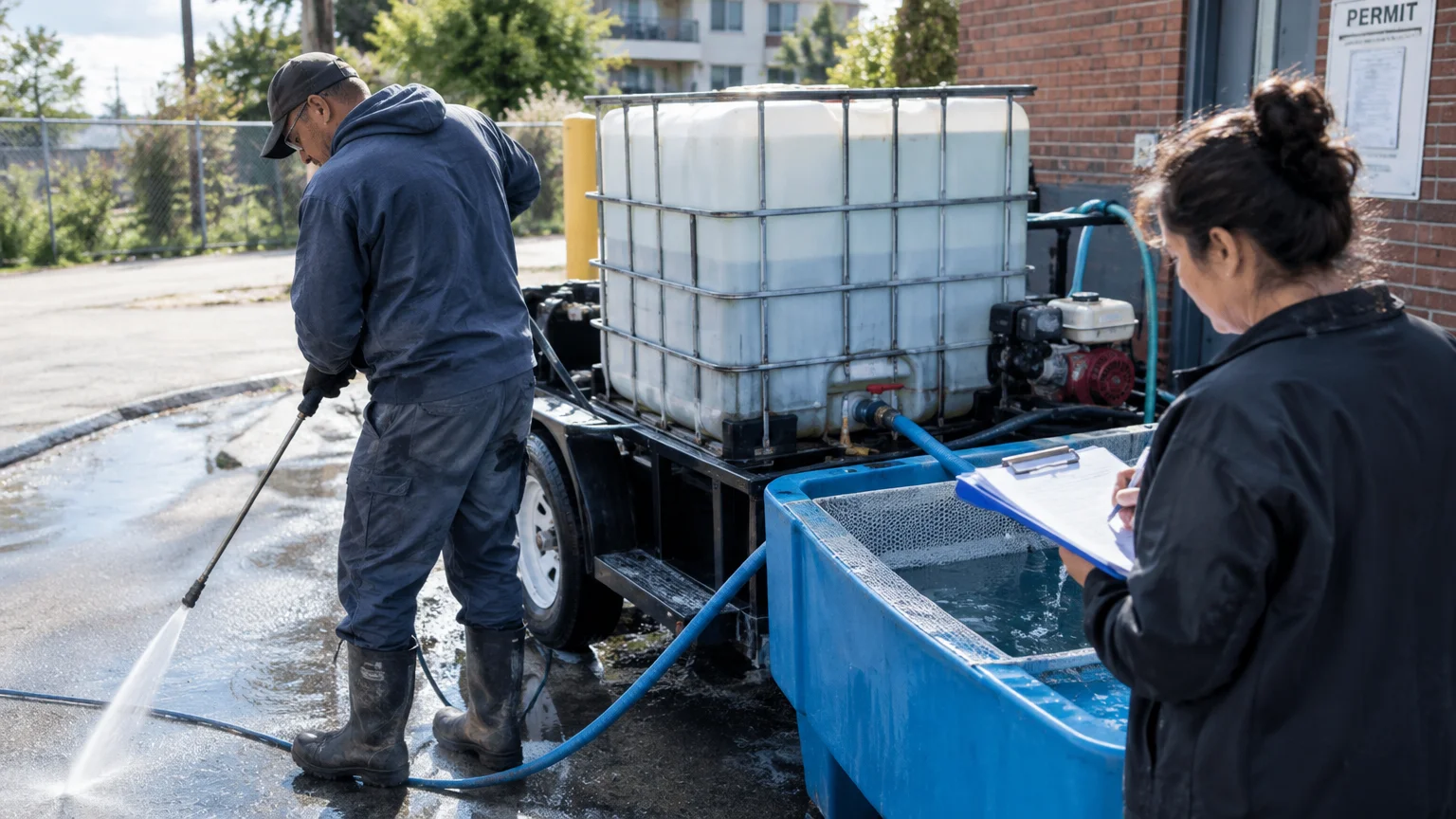
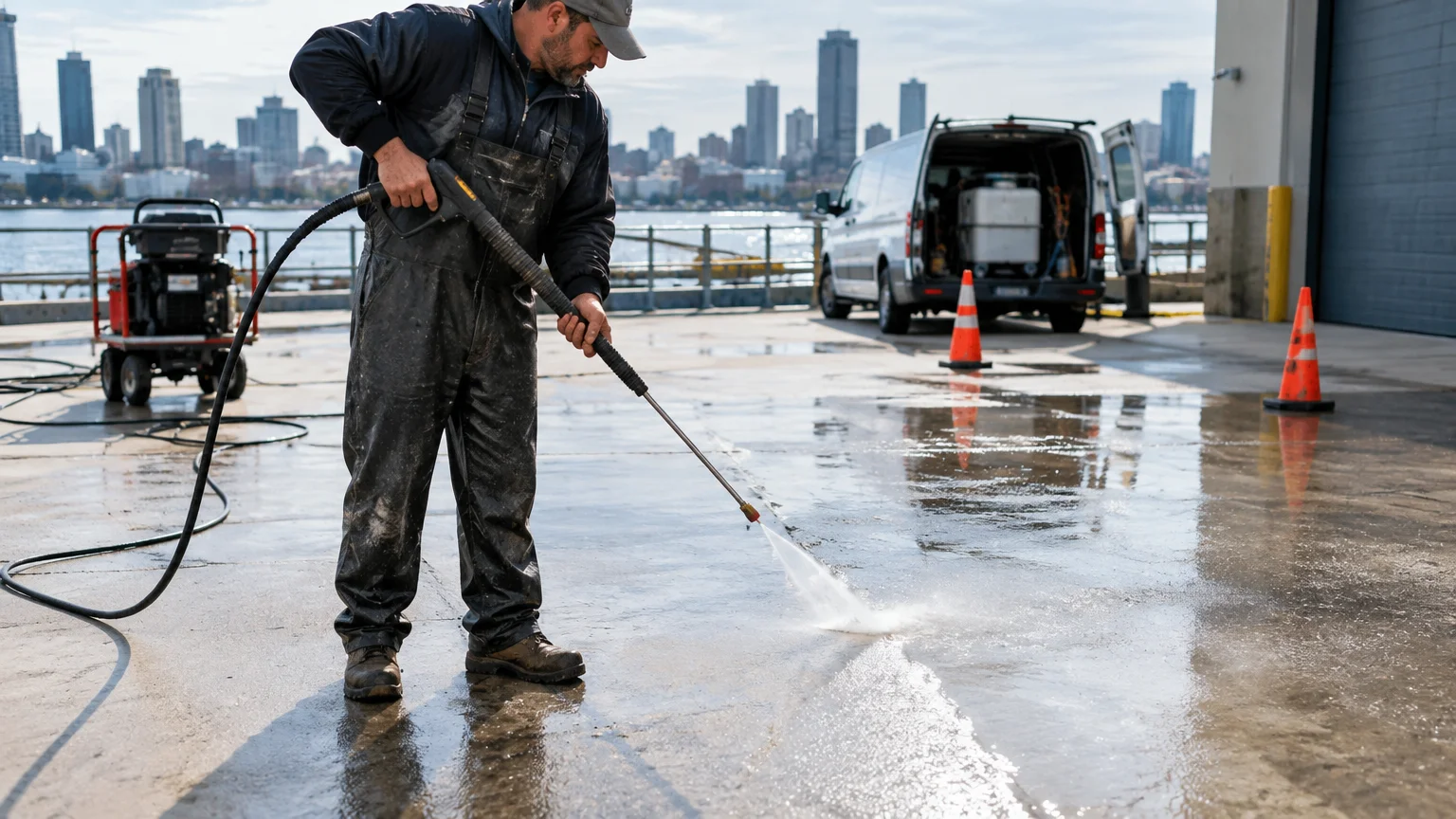
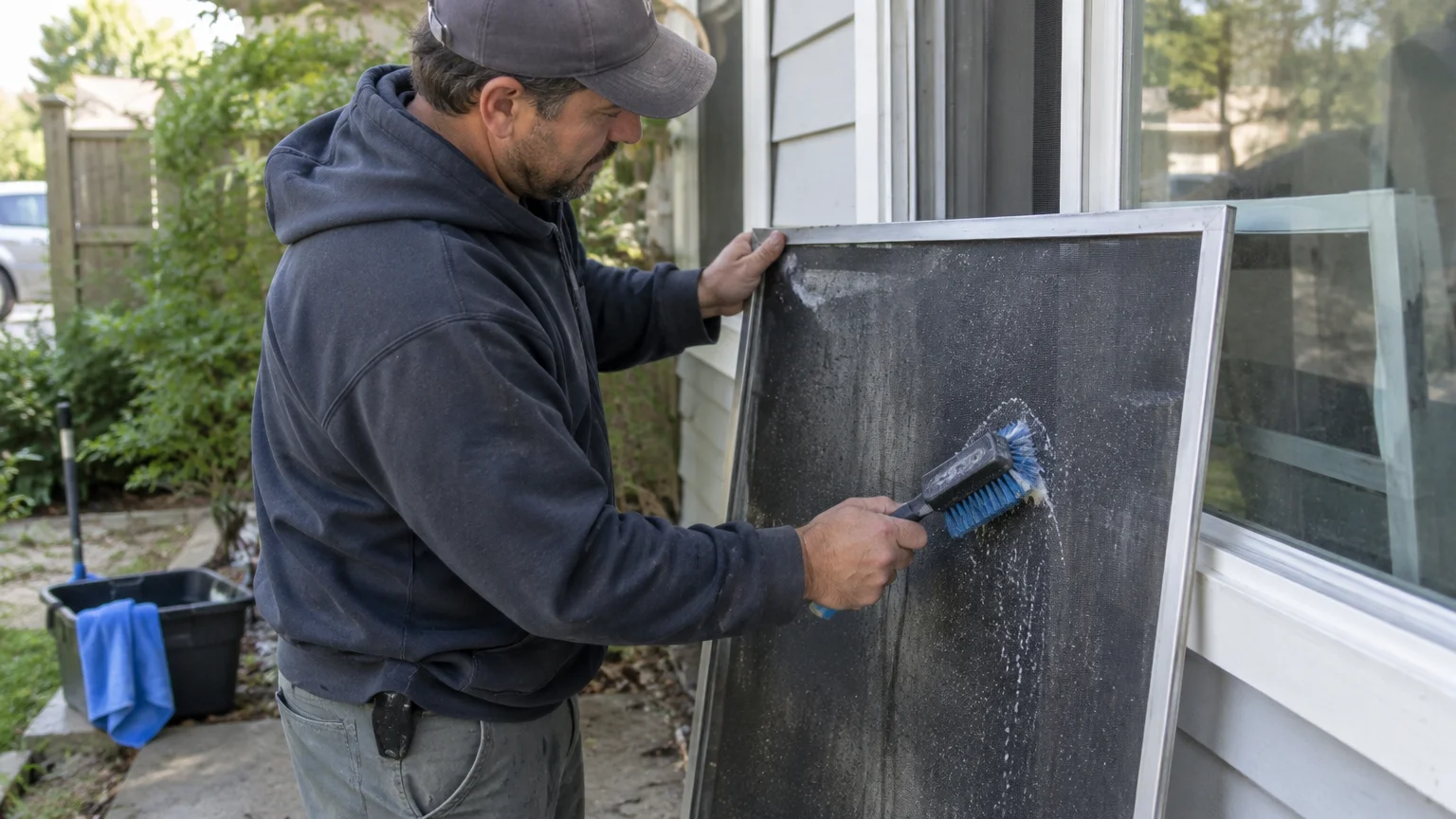
The best time to pressure wash house surfaces is during mild, dry, and calm weather. Spring and fall often work well in Lafayette, but the right day depends on shade, pollen, storms, and the surface material. Siding, concrete, decks, and fences need enough time to dry before rain, frost, or heavy dew arrives.
Table of Contents
- What is the best time to pressure wash a house?
- Is spring a good time to pressure wash your home?
- Should you pressure wash during the summer?
- When should you pressure wash in the fall?
- Can you pressure wash a house in the winter?
- How often should different exterior surfaces be pressure washed?
- How can you plan pressure washing throughout the year?
- Frequently Asked Questions
- Key takeaways
- Conclusion
What is the best time to pressure wash a house?
The best time is when the weather is mild, dry, and calm. A clean surface needs time to dry before rain, frost, or thick dew arrives. Many property owners choose spring or fall because the air is often easier to work in. Still, the calendar is only one part of the choice.
Shade, surface type, pollen, recent storms, and the condition of the property also matter. A shaded wall may stay damp longer than a sunny wall. A driveway under trees may collect leaves and stains sooner than one in an open area. These details help decide when house washing will work best.
How weather conditions affect pressure washing results
Weather can change the results of a cleaning job. Rain may wash away cleaning solution before it loosens dirt. Strong wind can carry spray toward windows, plants, vehicles, or nearby buildings. Very hot sun may dry a wall too fast and leave marks.
Cloudy weather can be useful when rain is not expected. A light breeze is usually fine, but strong wind can create safety and overspray problems. The surface should also be above freezing. Ice can make walkways slick and may harm water lines or cleaning tools.
Pressure washing means using pressurized water to remove dirt and buildup. Some materials need a gentler method called soft washing. Soft washing uses lower pressure and a cleaning solution. This method can suit delicate siding, roof materials, painted areas, and older surfaces.
Pressure Washing Lafayette can help property owners choose a safe time for each area. A careful plan protects the surface and helps the property stay clean for longer.
Why surface condition matters more than the calendar
A date on the calendar cannot show what a property needs. Green growth, dark stains, slippery paths, and stuck-on dirt are useful signs. A home near trees may need care sooner than a home in an open area.
Property owners should also look for loose paint, cracked caulk, weak boards, and damaged siding. These areas may need repair before water reaches them. High pressure can make small problems worse when the wrong method is used.
Is spring a good time to pressure wash your home?
Spring is often a good time to clean a home after winter. Warmer days can remove dirt left by storms, wind, and damp weather. The best results often come after the heaviest pollen has settled and before outdoor spaces see heavy summer use.
Removing pollen, mold, and winter grime
Spring cleaning can remove pollen from siding, windows, porches, and outdoor furniture. It can also clear mildew and dirt from places that stayed wet during winter. Pollen may return soon after cleaning, so local tree and plant cycles should guide the timing.
Mold, mildew, and algae should not be ignored. They can make surfaces look dark and may make walkways slippery when wet. The cleaning method matters because too much pressure can harm paint, wood fibers, mortar, or caulk.
Homeowners can sweep loose debris, rinse small items, and move plants from work areas. They should avoid spraying electrical parts, loose paint, damaged siding, or unknown roof materials. Simple upkeep is often safe, but difficult stains and high areas may need trained help.
Preparing siding, decks, driveways, and patios for warmer weather
Spring is a useful time to check every outdoor surface. Siding may need a gentle wash. Concrete driveways and patios may need stronger cleaning for dirt and organic stains. Deck boards need care based on their wood type, finish, age, and condition.
A pool deck cleaning service may help before regular pool use begins. The same applies to patio cleaning before outdoor meals and gatherings. Deck cleaning should remove buildup while protecting wood grain and nearby plants.
Spring also gives homeowners time to inspect fences, steps, railings, and paths. Note small cracks, loose boards, and peeling coatings before washing. Lafayette homeowners can use this season to create a full exterior care plan with Pressure Washing Lafayette.
Should you pressure wash during the summer?
Summer can be a good time for pressure washing when the work is planned around heat, sun, rain, and local water rules. Early morning or late afternoon often works better than the hottest part of the day. The surface should not be too hot to touch.
Choosing the right time of day for hot weather
Strong sun can dry cleaning products before they have time to work. It can also cause streaks when one part of a wall dries before another. A shaded side of the home may be ready while a sunny side needs more time.
Professionals often work in small sections to keep water and cleaning products under control. Windows, plants, lights, and painted trim need protection. A homeowner using a small washer should begin with a wide spray pattern and low pressure. Keep the nozzle far enough away to prevent damage.
Summer storms create another concern. A clear morning may turn into a wet afternoon. Rain can slow drying and carry loose dirt back onto a clean surface. Check the forecast before work begins and during longer jobs.
Managing fast drying, strong sun, and water restrictions
Hot weather increases water loss and drying speed. Local water rules may limit outdoor cleaning at certain times. Property owners should check those rules before washing large areas, especially during dry periods.
A professional can use controlled water flow and a method that fits the surface. This matters for rental homes, business buildings, and large properties. A careful plan can also reduce runoff near storm drains.
Summer is also a useful time for roof cleaning, but roof materials need special care. Walking on a roof can be dangerous. High pressure may remove protective granules or damage shingles. Solar panels should not be sprayed without checking the maker’s care instructions. Anyone asking who cleans solar panels near me should choose a team that understands panel surfaces and roof safety.
When should you pressure wash in the fall?
Fall is often a strong season for exterior cleaning before winter. The best time is usually after most leaves have dropped but before freezing weather starts. Cleaning too early may allow more leaves and sap to settle on the property.
Clearing leaves, organic debris, and seasonal buildup
Leaves hold moisture against siding, concrete, wood, and fences. They can leave stains as they break down. Wet debris may also make steps and paths slippery. Removing it helps the property stay cleaner during colder weather.
Clear loose leaves first so stains, cracks, and damaged areas are easier to see. This also reduces material that could block drains or wash into unwanted places.
Driveway cleaning can help remove tire marks, dirt, and organic buildup before winter storms. Fence cleaning can remove green growth and damp grime. The method should match the material, whether it is wood, vinyl, metal, or painted.
Preparing exterior surfaces before winter weather
Fall cleaning can prepare outdoor areas for rain, ice, snow, and long periods of shade. Clean concrete is easier to check for cracks and uneven spots. Clean siding makes it easier to notice loose trim, failed caulk, or damaged panels.
Deck owners should check for soft boards, raised nails, and worn finishes before washing. Water should not be forced into gaps or damaged wood. Property managers may also inspect shared paths, parking areas, and entrances for slip risks.
Commercial owners can schedule parking lot cleaning before holiday traffic and winter storms. The work may remove dirt, gum, oil marks, and loose debris. Timing depends on site use, weather, drainage, and pavement condition.
Can you pressure wash a house in the winter?
Winter pressure washing is possible in some areas, but it needs mild weather and careful planning. Freezing temperatures, ice, snow, and cold wind can make exterior washing unsafe. Many homeowners wait until surfaces can dry without freezing.
When cold temperatures create cleaning and safety concerns
Water can freeze on paths, steps, driveways, and equipment. This creates slip risks for workers and residents. Frozen water may also expand inside small cracks and cause more damage.
Cold air slows drying. Damp siding, wood, and concrete may stay wet much longer. This can lead to ice, slippery areas, or new marks from dirt and runoff. Check each surface before and after cleaning.
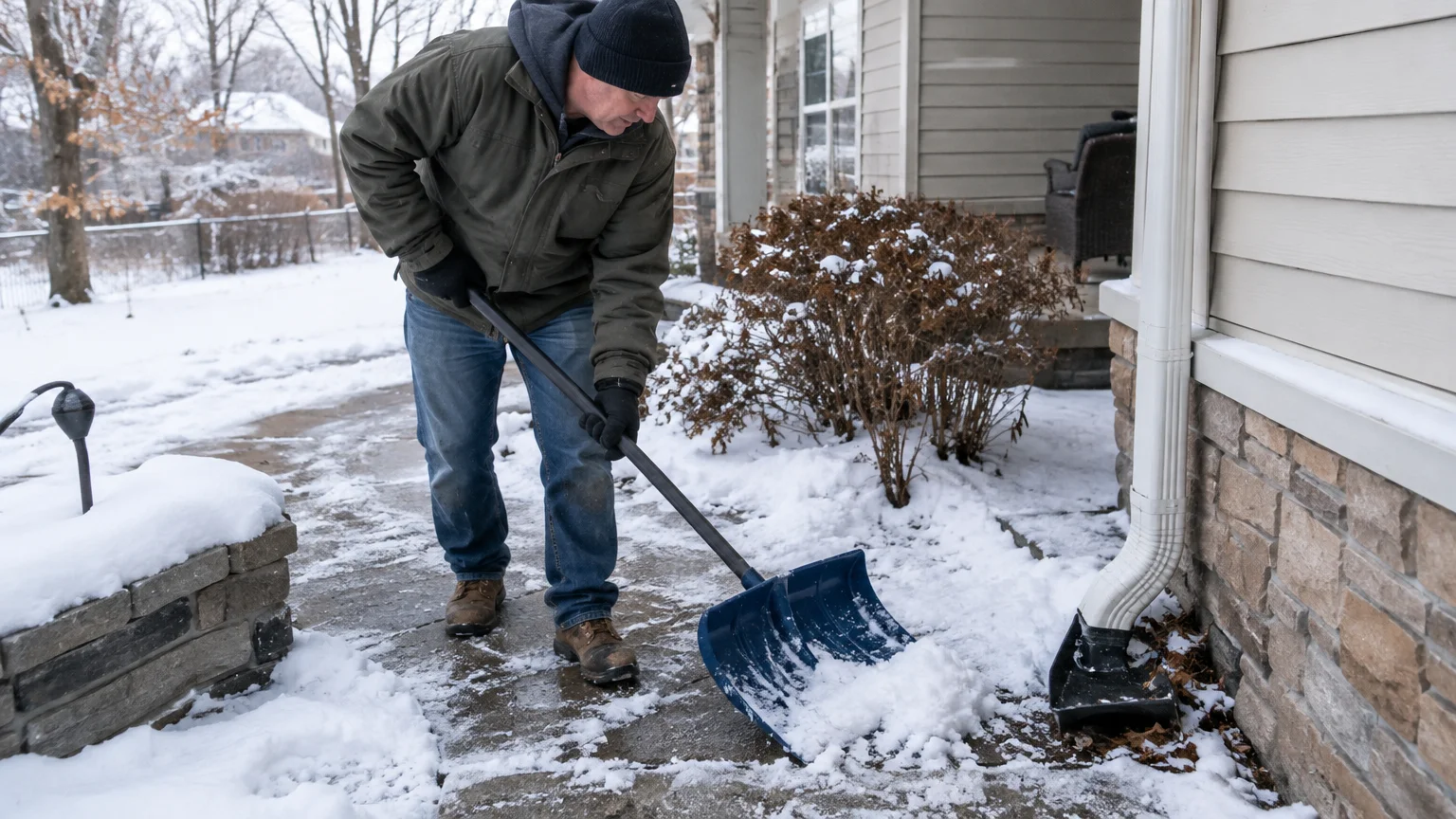
Homeowners can still handle simple winter upkeep. Sweep dry leaves, remove light snow with safe tools, and keep drains clear. Do not use a pressure washer near frozen water, fragile surfaces, or exposed electrical parts.
Winter conditions that may require postponing exterior washing
Work should usually wait when temperatures may fall below freezing. It should also wait during snow, sleet, heavy rain, strong wind, or icy weather. A short warm spell may provide a safe window, but the full drying time still matters.
Roof work needs extra care in winter. Ice, frost, and steep slopes increase the chance of a fall. A roof cleaning plan should account for the material, access, runoff, and nearby plants. When conditions are poor, waiting is often the safer choice.
The same care applies to tenants, investors, and business owners. A clean property is useful, but safety comes first. Pressure Washing Lafayette can review conditions across Lafayette, including Downtown Lafayette, River Ranch, Broussard, Youngsville, Scott, Carencro, and nearby communities.
How often should different exterior surfaces be pressure washed?
Cleaning frequency depends on material, shade, moisture, traffic, trees, and nearby pollution. Many homes need a seasonal review and cleaning when visible buildup appears. A fixed schedule can help, but surface condition should guide the final choice.
Recommended timing for siding, concrete, decks, fences, and roofs
Siding often needs attention when dirt, algae, mildew, or pollen becomes clear. Concrete may need care sooner near trees, pools, driveways, and busy entrances. Decks and fences need a gentler approach because wood can split, fuzz, or lose its finish.
Roofs should not be cleaned like concrete. Roof cleaning often needs low pressure and a material-safe solution. Follow the maker’s guidance and avoid walking on a roof without training and proper safety equipment.
The following signs can help a property owner decide when a surface needs care:
- Green, black, or gray growth on siding, concrete, wood, or fencing.
- Slippery walkways, steps, pool decks, or patios after rain.
- Pollen, dirt, or leaf stains that remain after normal rinsing.
- Dark streaks or patches on roof areas needing a material-safe review.
- Oil marks, gum, tire marks, or heavy soil near business entrances.
Signs a surface needs cleaning before its usual schedule
A surface may need early cleaning after a storm, construction project, tree work, or long wet period. New stains can become harder to remove when they sit for months. Quick action may also help reveal damage before it spreads.
People asking how to power wash a deck should first identify the wood type and finish. The same advice applies to how to pressure wash a deck or how to power wash a patio. The method should match the surface, not just the machine’s strength.
The difference between pressure washing and soft washing is mainly water pressure and cleaning method. Pressure washing uses stronger water force. Soft washing uses lower pressure and cleaning products to loosen organic growth. Both methods can work when chosen with care.
Property owners may also compare pressure washing costs when planning seasonal work. The final quote depends on the surface size, access, material, buildup, and method needed. Larger or harder-to-reach areas usually require more planning than small, open surfaces.
How can you plan pressure washing throughout the year?
A yearly plan starts with a property review, not a machine. List each surface, note its condition, and mark areas that are sensitive to weather. This helps homeowners, businesses, tenants, and investors plan before buildup becomes harder to remove.
Building a seasonal maintenance schedule for your property
A simple plan can follow the seasons:
- In spring, check siding, patios, decks, fences, and paths after winter.
- In summer, clean outdoor living areas while managing heat and drying speed.
- In fall, remove leaves and organic debris before freezing weather arrives.
- In winter, focus on safe checks and delay work during ice or freezing weather.
The plan should include gutters, drains, steps, railings, pool areas, and entrances. Commercial properties may need separate dates for parking lots, storefronts, loading areas, and customer paths. Property managers should also consider tenant schedules and business traffic.
A written plan makes changes easier after unusual weather. A wet spring may require an earlier review. A dry summer may delay algae growth. A storm may create urgent debris or stain concerns.
When professional assessment is helpful for timing and surface care
Professional help can be useful when a surface is high, delicate, stained, painted, or hard to identify. It can also help when a homeowner is unsure about pressure washing or soft washing. The plan should explain the method, surface risks, and needed preparation.
A homeowner does not need a professional for every task. Sweeping, rinsing small items, moving furniture, and clearing loose leaves are often safe chores. Professional help is more useful when ladders, roofs, electrical parts, fragile materials, strong stains, or large areas are involved.
Pressure Washing Lafayette serves property owners in and around Lafayette. Its team can compare seasonal timing with the condition of each surface. This helps create a plan that fits the property instead of following a generic calendar.
Frequently Asked Questions
What is the best month to pressure wash a house?
There is no single best month for every property. Spring and fall often provide mild weather, but rain, pollen, shade, and freezing conditions also matter. The best time to pressure wash house surfaces is a dry period when surfaces can dry fully and workers can work safely.
Is it better to pressure wash in spring or fall?
Both seasons can work well. Spring removes winter grime and pollen, while fall clears leaves and buildup before cold weather. The better choice depends on the property. A home with heavy tree cover may benefit from fall cleaning after most leaves have dropped.
Can pressure washing damage a deck?
Yes, high pressure can damage wood by cutting fibers, leaving marks, or forcing water into weak areas. Deck cleaning should match the wood, finish, age, and condition. A homeowner can sweep and rinse light dirt, but damaged or fragile boards need extra care.
What is the difference between pressure washing and soft washing?
Pressure washing relies more on water force to remove dirt. Soft washing uses lower pressure and a cleaning solution to treat organic growth. Soft washing is often better for delicate siding, roofs, painted surfaces, and older materials. The right choice depends on the surface and buildup.
Can a home be pressure washed during cold weather?
It may be possible during a mild, dry period, but freezing conditions create safety and drying problems. Water may turn to ice on paths and steps. Most owners should delay exterior washing during frost, snow, sleet, or temperatures that may fall below freezing.
Key takeaways
- Spring and fall often provide good weather for exterior cleaning.
- Surface condition matters more than a fixed calendar date.
- Summer work should avoid extreme heat, strong sun, and restricted water times.
- Winter washing may be unsafe when water can freeze.
- Pressure washing and soft washing suit different surface types.
Conclusion
The right cleaning season depends on weather, surface material, shade, moisture, and visible buildup. Spring can clear winter grime and pollen. Summer can prepare outdoor areas for regular use. Fall can remove leaves before winter, while winter work often needs to wait for safer conditions.
A simple annual plan helps protect siding, concrete, decks, fences, roofs, patios, and business entrances. Pressure Washing Lafayette can help Lafayette homeowners and property managers review their surfaces and choose a practical time for care. Contact us to plan the next pressure washing service.