You spot white, chalky streaks on your steps or walls in Lafayette. You wipe them away, and after the next rain they reappear. That is a common issue called efflorescence: a white, powdery salt left behind when water travels through brick, stucco, block, or mortar and dries at the surface. This guide from Pressure Washing Lafayette explains what cleaning can and cannot accomplish and how to manage moisture so the stains stop returning.
Efflorescence on Brick and Stucco: Causes, Signs, and Risks
Efflorescence forms when water dissolves natural salts inside masonry and then migrates to the face of the wall. As the water evaporates, salts remain as a white film or crust. Brick, block, mortar, and stucco all contain small amounts of these salts, so new construction and damp walls in Lafayette show it most.
You may notice a fine, dusty smear that wipes off or a harder, crystalline layer in streaks and patches. Lines under sills, near downspouts, or along grade are common clues. Persistent white staining can indicate a larger moisture problem, such as leaks, poor grading, clogged gutters, or trapped vapor behind non-breathable paint.
Over time, salt deposits hold moisture at the surface, keeping walls damp. That ongoing wetness can weaken mortar joints, cause paint to peel, and even spall (flake) brick faces. Addressing the moisture path early protects the wall and reduces how often you will need to clean.
What Washing Will Remove—and What It Won’t
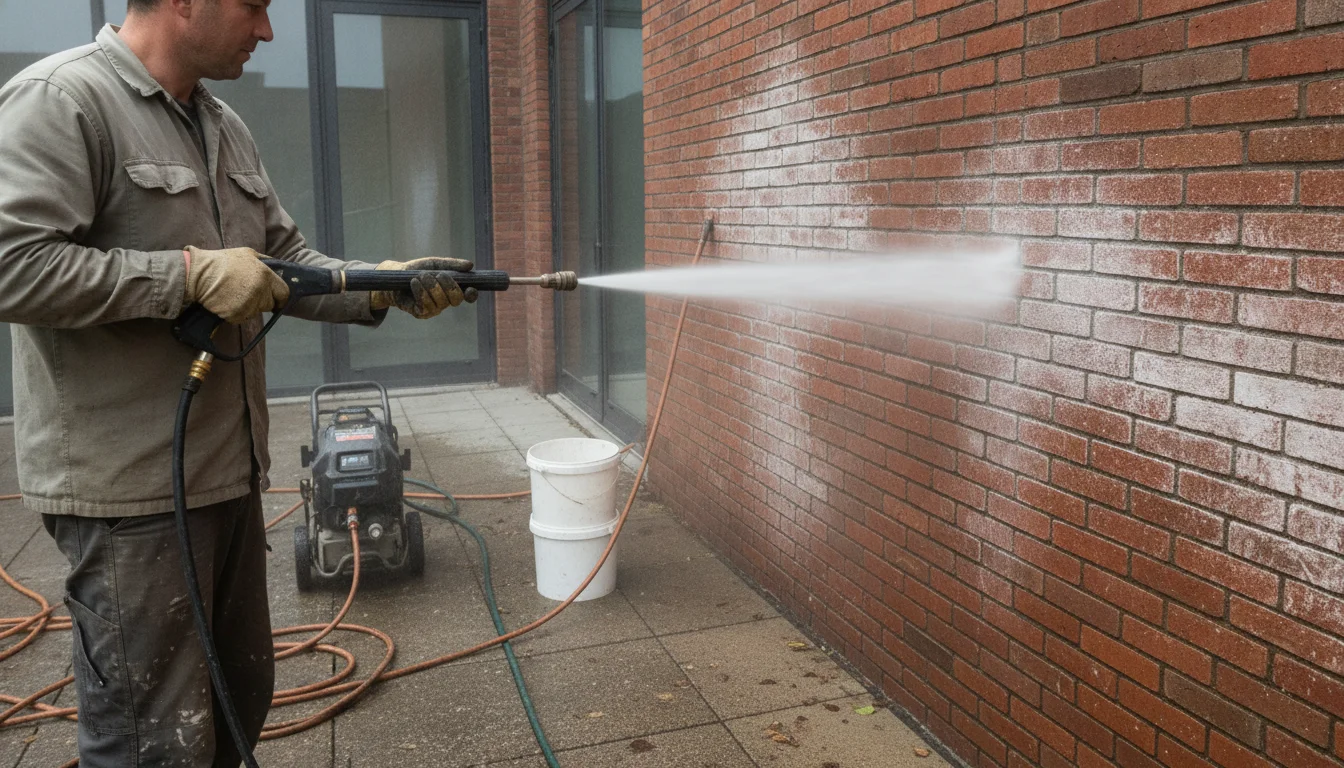
Light, loose powder often rinses off with a gentle wash, and a mild cleaner speeds the process. Hard, crystalline crusts bond within surface pores and require a masonry-specific cleaner and longer dwell time. High pressure is not the solution. On stucco and soft mortar, forceful spray can gouge, etch, or push water deeper into the wall.
Even after a careful wash, stains can return if moisture still moves through the assembly. When salts remain inside, new deposits appear as the wall dries again. That is why washing is only half the fix; finding and correcting the water source is the other half.
Safe Cleaning Methods for Masonry and Painted Exteriors
Work safely and test first. Try a small, inconspicuous spot before wider application. Wear gloves and eye protection, pre-wet nearby plants and soil, and divert runoff as required by local rules in Lafayette.
Common cleaner types:
- Detergent cleaners: Effective on light powder; gentler for painted surfaces.
- Acid cleaners (masonry-grade): Break down hardened crusts; use low concentrations, follow labels, and rinse thoroughly.
- Specialty efflorescence removers: Often buffered acids designed to limit etching and fumes.
Soft washing—low pressure water paired with the right cleaner—lets chemistry do the work while protecting the surface. A simple process is:
- Pre-wet the wall so pores are damp but not streaming.
- Apply cleaner from the bottom up to reduce streaking.
- Allow labeled dwell time without letting the surface dry.
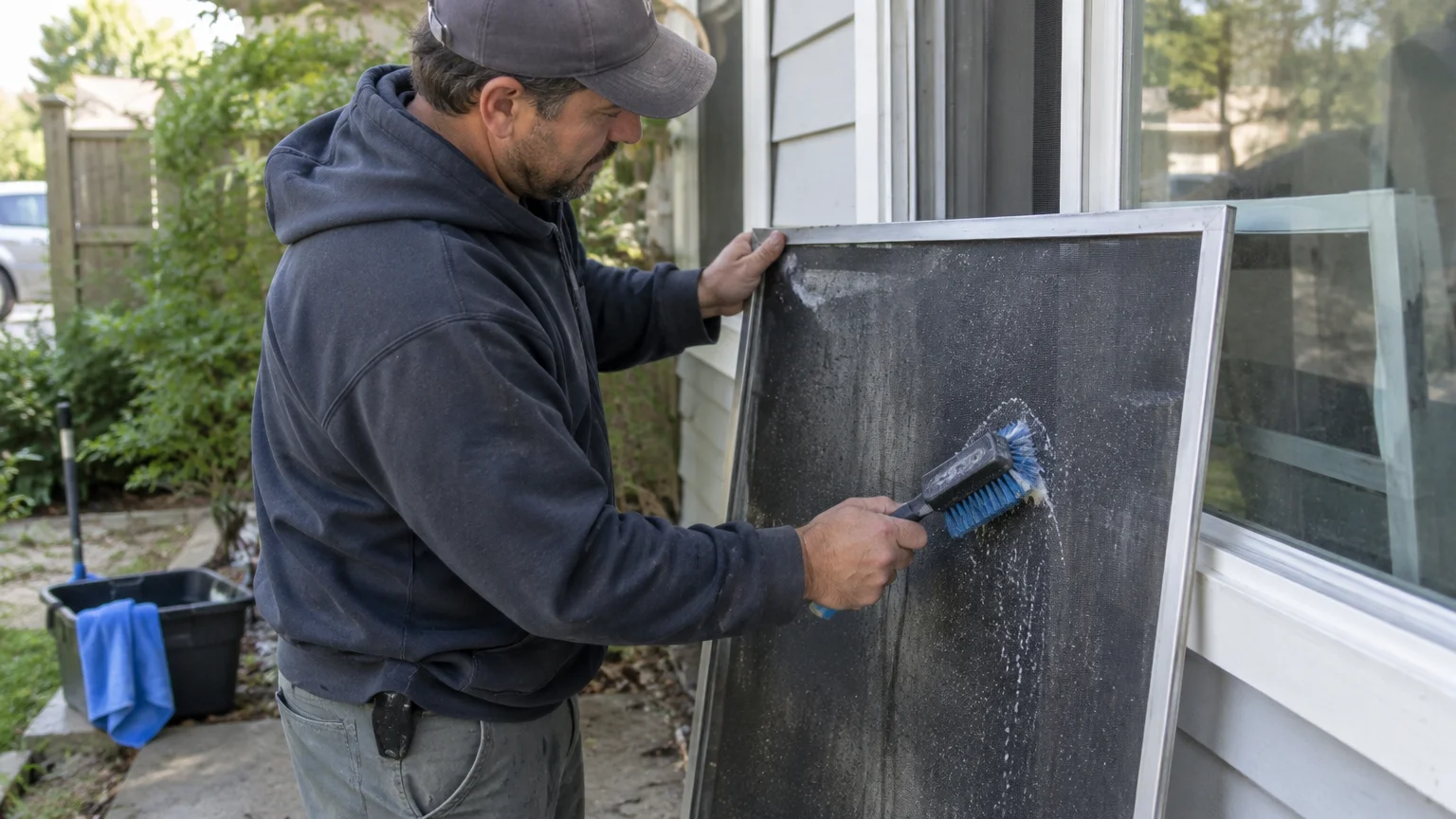
- Lightly agitate stubborn areas with a soft brush.
- Rinse top-down with low pressure until clear.
If you use an acid cleaner, neutralize after rinsing with a mild alkaline solution per the label, then inspect for any etched spots or missed streaks and repeat a light pass if needed. For larger buildings and mid-rise facades, consider Building Washing Services in Lafayette, LA to scale the process safely. Soft Washing Services are also well-suited for painted stucco, brick, and even adjacent vinyl siding during broader exterior cleaning.
Keep Efflorescence from Coming Back
Cleaning resolves today’s stains. Controlling water prevents tomorrow’s.
Fix common moisture sources:
- Clear gutters and downspouts; add extensions to discharge away from walls.
- Regrade soil so water flows away, not toward foundations.
- Adjust sprinklers to avoid wetting walls.
- Seal minor leaks at sills, coping, caps, and joints.
Allow new masonry to cure before sealing; fresh mortar typically needs about 28 days. Manage vapor behind painted walls with vents and breathable coatings. On brick, repoint weak joints, confirm flashing is sound, and keep weep holes open so cavities can drain.
Use sealers carefully. Choose breathable, vapor-permeable products on masonry so trapped moisture can escape; sealing in water can worsen efflorescence on brick. If you are unsure which product fits your wall and climate in Lafayette, ask about Brick Cleaning Services for guidance. During broader maintenance, pairing House Washing Services with driveway cleaning can help manage runoff patterns that wet lower courses of brick near walkways.
Know when to call a pro. Thick crusts, historic brick, painted stucco, or tall walls benefit from trained help. A local team like Pressure Washing Lafayette has the chemistry, low-pressure tools, and experience to clean safely and spot hidden moisture issues.
Frequently Asked Questions
Will pressure washing remove the white stains on my brick?
Gentle washing with the correct cleaner can remove light deposits, but hard crusts often need a masonry-safe acid or specialty remover. Avoid high pressure on brick, mortar, and stucco, as it can damage the surface and drive water deeper. Fixing moisture is essential to keep stains from returning.
Is efflorescence harmful to my home?
The salts are not toxic, but they point to moisture within the wall. Ongoing dampness can weaken mortar, peel paint, and cause brick faces to flake. Treat the stain and stop the water path to protect the structure and reduce future cleanings.
How do I stop the stains from coming back?
Remove the existing deposits, then remove the water path. Clear gutters, fix leaks, adjust irrigation, and improve drainage. Use breathable sealers on masonry and allow new mortar to cure before sealing. When the wall stays dry inside, efflorescence usually stops.
Key Takeaways
- Efflorescence is white salt left when water moves through masonry and evaporates.
- Soft washing and the right cleaner remove deposits without surface damage.
- High pressure can harm stucco and mortar and is not necessary for removal.
- Fix leaks, grading, and drainage to prevent stains from returning.
- Breathable coatings and proper curing help stop repeat problems.
Conclusion
Efflorescence responds best to low pressure, smart chemistry, and real moisture fixes. House Washing Services in Lafayette, LA and Brick Cleaning Services in Lafayette, LA can address both the visible deposits and the underlying causes. Pressure Washing Lafayette serves homeowners and businesses across Lafayette with safe exterior cleaning and moisture-aware solutions. Contact us.