Power washing DIY can be safe for small, low-risk jobs when the surface is sound and the pressure is controlled. It becomes unsafe around roofs, ladders, fragile materials, strong cleaners, and hidden damage. The safest choice protects the property, the person cleaning it, and nearby plants.
Table of Contents
- Is power washing DIY safe for homeowners?
- What can you safely pressure wash yourself?
- How does the wrong pressure damage exterior surfaces?
- Should you use pressure washing or soft washing?
- What equipment and preparation does DIY pressure washing require?
- When should you hire a professional pressure washing company?
- How can you decide between DIY pressure washing and hiring a pro?
Is power washing DIY safe for homeowners?
Power washing DIY is safe only when the job, surface, and machine match. A homeowner may clean a small patio or sound concrete walkway with care. A professional is often safer for roofs, tall walls, weak siding, stained wood, and areas near electrical parts.
What makes pressure washing different from ordinary outdoor cleaning?
Pressure washing sends water through a narrow nozzle at strong force. The small opening can remove dirt, algae, loose paint, and other buildup. It can also cut skin, break seals, strip coatings, or push water behind siding.
Power washing and pressure washing often mean the same thing in daily speech. Some machines heat the water, but hot water is not right for every surface. Water pressure is a tool, not a fix for every stain.
First, check the surface and the source of the dirt. Loose soil on a concrete path is different from oil, rust, mildew, or old paint. The cleaning method must fit both the material and the type of buildup.
Which safety risks should you consider before starting?
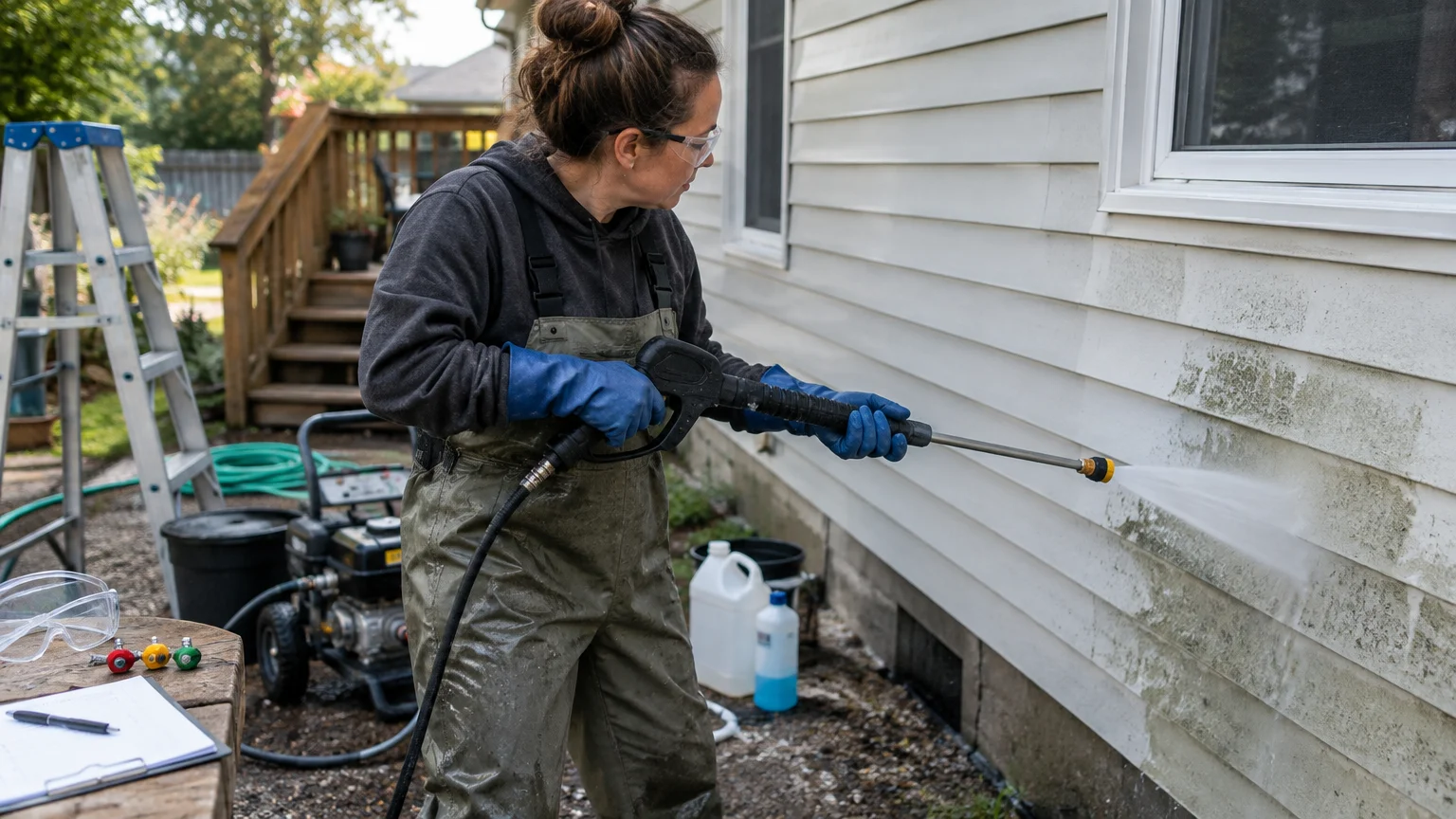
The spray can throw grit into the eyes and skin. It can also make the ground slick. Eye protection, hearing protection, gloves, covered shoes, and long clothing lower common risks. Never point the wand at people, pets, windows, or moving cars.
Inspect the area before starting. Look for cracks, loose boards, open vents, damaged caulk, and exposed wires. Outdoor outlets need proper protection. Ladders are risky because the spray may push the user backward. Never climb while holding a running wand.
Pressure Washing Lafayette can help Lafayette property owners decide if a job suits home equipment. This matters when cleaning involves a roof, tall wall, shared property, or delicate finish.
What can you safely pressure wash yourself?
Homeowners can often clean sound concrete, sturdy brick, some vinyl siding, and outdoor furniture. Use the lowest useful pressure and stay at ground level. Test a small hidden area before cleaning the rest.
Suitable surfaces and manageable cleaning projects
Flat concrete is often easier for a careful beginner. A driveway, walkway, or patio may respond well when the concrete is in good shape. Patio Cleaning Services can help when moss, deep stains, cracks, or a large area make the work hard to control.
A homeowner may also clean a small section of vinyl siding. Point the spray downward, not under the panels. Protect windows, vents, door seals, and light fixtures. Repair loose panels before washing.
A sturdy plastic bin, outdoor chair, or garden tool may be another simple project. Place the item on a stable surface. Keep the spray away from labels, moving parts, bearings, and electrical connections.
Deck cleaning needs more care. Wood can scar, splinter, and hold too much water. If you learn how to power wash a deck, use a wide spray, keep the wand moving, and test an unseen spot. Old boards, peeling stain, and soft areas may need another plan.
When basic tools and preparation are usually enough
A homeowner usually needs a suitable machine, garden hose, protective clothing, wide nozzle, and clear work area. The cleaner must match the surface. Stronger is not always better. A mild cleaner with more time to work may be safer than a tight spray.
Preparation often matters most. Sweep loose dirt first. Move pots and furniture. Cover delicate plants and rinse them before and after cleaning. Close doors and windows. Keep children and pets away until the area dries.
DIY work makes sense when the owner can stand firmly, reach the area without a ladder, and see the full surface. It makes less sense when the job needs speed, strong chemicals, heavy equipment, or an even finish across a large area.
How does the wrong pressure damage exterior surfaces?
The wrong pressure can harm a surface even when it removes the stain. Pressure must match the material, its condition, and the nozzle distance. A hard concrete stain does not call for the same force used on wood, siding, paint, or roofing.
Why pressure should match the surface, not just the stain
A stain may sit on or inside a material. The material still needs protection while the stain is removed. A narrow spray can cut soft wood, mark concrete, or lift wall paint. A wide spray spreads the force and gives better control.
Distance also changes the force. Moving the wand closer makes the spray stronger. Moving too slowly can leave stripes or marks. A test patch helps you find a safe distance and steady speed.
Cleaning chemicals may help loosen grime and organic growth. Choose a product labeled for the surface. Do not mix cleaners. Keep runoff away from people, pets, storm drains, and delicate landscaping.
Common damage to siding, wood, concrete, and roofing
Vinyl siding can crack, bend, or trap water when sprayed from below. Painted surfaces can lose their finish. Wood can develop raised grain, deep lines, and fuzzy fibers. These marks may show more after the wood dries or receives a new coating.
Concrete is strong, but it can still be damaged. A narrow nozzle may etch the surface and leave uneven cleaning bands. Older concrete may have weak edges or cracks that grow under force. Driveway Cleaning Services can help when stains cover a large or damaged area.
Roofing is a clear limit for many DIY jobs. Strong spray can remove protective granules, loosen shingles, or push water into roof layers. Walking on a roof also creates a fall risk. Roof cleaning should use a method made for the roof material, not a driveway setting.
Windows, seals, vents, and outdoor lights can fail when water gets behind them. The damage may not show right away. If you cannot protect these areas with care, professional help is safer.
Should you use pressure washing or soft washing?
Pressure washing uses stronger water force to clean a surface. Soft washing uses a gentler spray and cleaning solution to treat organic growth and grime. The right method depends on the material, stain, surface condition, and runoff plan.
How pressure washing and soft washing differ
Pressure washing depends more on water force. It can suit sound concrete, some masonry, and other hard surfaces. Soft washing depends more on a surface-safe solution and enough time for it to work. It can suit places where high pressure may cause harm.
Soft washing does not mean careless chemical use. Plants, painted finishes, pets, and nearby water still need protection. Apply and rinse the solution with care. Follow the product label, and never mix cleaners.
The difference is not simply strong versus weak. It is a choice about how the dirt will come loose. The safest method removes the problem while causing the least wear.
Which method fits common residential and commercial surfaces?
Sound driveways, sidewalks, and some patios often suit controlled pressure washing. Masonry walls may need low pressure and a proper cleaner. Wood decks need low force, steady movement, and care with the grain. Vinyl siding often needs a gentle setting and downward spray.
Roofs, solar panels, painted surfaces, and old materials need special care. Anyone searching for solar panel cleaning near me should choose a provider that follows the panel maker’s care guidance. Abrasive tools and strong spray can harm coatings and seals.
Commercial buildings add more concerns. Storefront glass, signs, awnings, sidewalks, and parking areas may need different methods during one visit. Commercial Pressure Washing can help owners plan around customers, tenants, entrances, and runoff.
In Lafayette, shade, trees, weather, and property layouts can affect how fast grime returns. Pressure Washing Lafayette can explain which method fits the material instead of treating every stain the same way.
What equipment and preparation does DIY pressure washing require?
DIY pressure washing needs more than a rented machine. The homeowner must choose a safe pressure, nozzle, cleaner, hose, protective gear, and work plan. Equipment should fit the surface. The surface should not be forced to fit the equipment.
Choosing the right machine, nozzle, and cleaning solution
Choose a pressure washing machine with controls that allow gentle work. A wide fan nozzle is easier for beginners than a narrow tip. Keep the nozzle at the distance recommended for the surface, and keep it moving.
People searching for pressure washing machine rental or pressure washing rental should inspect the machine before taking it home. Confirm that the hose, wand, fittings, and safety instructions are included. A powerful rental is not always the right rental.
Ryobi pressure washing machines and other home units may suit small upkeep jobs when used as directed. The brand matters less than the controls, user skill, and surface. Do not remove safety parts or use a tip the maker does not approve.
Choose cleaning products for both the material and the buildup. Read the label before use. A product made for concrete may harm plants, wood, paint, or metal. Never mix cleaning products unless the label clearly says it is safe.
How to protect plants, fixtures, openings, and nearby property
Clear the work area before starting. Shut windows and doors. Cover or avoid outdoor outlets, lights, cameras, vents, and speakers as their makers direct. Rinse plants before and after contact with cleaning water.
Check where dirty water will flow. Mud, oil, paint chips, and cleaner should not move toward a storm drain or another property. A small rinse test can show the flow path before full cleaning begins.
A helper can watch the hose and nearby people. Stop the machine before changing tips or fittings. Let the surface dry fully before applying paint, stain, sealant, or furniture.
When should you hire a professional pressure washing company?
A professional pressure washing company makes sense when work involves height, fragile materials, stubborn buildup, large areas, or possible damage. Professional help is also useful when the owner lacks safe equipment or cannot control runoff.
Signs that a project is beyond rented equipment
The job may be beyond a rental when the surface is high, steep, cracked, loose, delicate, or close to electrical parts. Pause when the stain may be lead paint, heavy oil, mold, rust, or another material needing special care.
Other warning signs include:
- The job needs a ladder, roof access, or work near an edge.
- The surface has peeling paint, loose boards, open joints, or hidden damage.
- The area is too large for the owner to clean evenly.
- Dirty water could enter a drain, pond, road, or nearby property.
- The owner cannot choose a safe pressure, nozzle, or cleaning solution.
Professional help can also matter when a clean finish is important. Uneven spray marks may stand out on a storefront, deck, or visible driveway. Commercial sites may need careful timing so work does not disturb customers or tenants.
Why height, delicate materials, and stubborn contaminants change the decision
Height changes the risk more than many owners expect. The operator must control the wand, hose, footing, water flow, and spray direction at once. A long wand does not remove the need for safe access.
Delicate materials may need low pressure, special tools, or a soft washing plan. Roofs, solar panels, old wood, painted trim, and historic masonry should not be treated like new concrete. A pressure washing service should involve more than turning up the machine; the method must fit the property.
Stubborn contaminants may need more than force. Oil, rust, algae, and old coatings can respond poorly to a stronger spray. Concrete Cleaning Services may suit a stained walkway or parking area when surface care and even results matter.
Pressure Washing Lafayette serves property owners who need help deciding where DIY stops making sense. The final choice should weigh safety and surface care, not only how fast the machine removes dirt.
How can you decide between DIY pressure washing and hiring a pro?
The best choice depends on risk, surface type, access, time, equipment, and the result you need. DIY may fit a small, open, sturdy surface. Professional work makes more sense when one mistake could cause injury, water damage, or an uneven finish.
A practical checklist for comparing risk, time, equipment, and results
Before starting, ask:
- Is the surface sound, low, and easy to reach from stable ground?
- Can I identify the material and choose a safe cleaning method?
- Is there a safe place for dirty water to go?
- Are plants, windows, fixtures, paint, and nearby property protected?
- Could damage create more trouble than hiring skilled help?
- Does the finished work need an even, professional appearance?
If the answers are clear and the project is small, careful DIY may be reasonable. Begin with a test spot and the lowest useful force. Stop when the surface shows marking, fuzzing, cracking, or water entry.
If the answers are uncertain, professional guidance can lower the risk. A local team can review the surface, choose pressure or soft washing, and plan around access and runoff. This is especially helpful for roof cleaning, large patios, decks, commercial properties, and connected building surfaces.
Key takeaways for planning your next exterior cleaning project
- Power washing DIY suits small, stable, ground-level projects.
- Pressure must match the surface, not only the stain.
- Soft washing can protect materials that strong spray may harm.
- Roof work, height, fragile finishes, and runoff need extra care.
- A professional helps when safety, access, or finish quality is uncertain.
Frequently Asked Questions
Can a homeowner pressure wash a house?
A homeowner may clean some sound siding with a gentle setting and downward spray. Windows, vents, trim, seals, and painted areas need care. A house with damaged siding, several stories, old paint, or hard-to-reach areas is better suited to professional cleaning.
What is the difference between pressure washing and soft washing?
Pressure washing uses more water force to remove buildup from suitable hard surfaces. Soft washing uses a gentler spray and surface-safe cleaning solution. Soft washing often fits roofs, delicate finishes, and organic growth where strong spray could cause damage.
How can someone clean a deck with a power washer?
Sweep the deck, test a hidden spot, use a wide spray, and keep the wand moving with the wood grain. Do not let the spray stay in one place. Soft or damaged boards may need hand cleaning or professional care.
Is a pressure washing rental good for every job?
No. A rental may work for a small, open area made from sturdy material. It may be a poor choice for roofs, damaged siding, old wood, solar panels, or areas near electrical parts. Machine power does not replace surface knowledge or safe access.
How much does it cost to power wash a patio?
Pressure washing costs depend on patio size, surface condition, access, buildup, runoff needs, and the cleaning method. A small, open patio is usually simpler than a large area with stains, cracks, furniture, or nearby plants. The final cost is confirmed on a quote.
Conclusion
DIY cleaning can handle some simple outdoor work, but pressure is not harmless. The safest plan matches the method to the material and stops before height, fragile surfaces, chemicals, or hidden damage create a larger risk. For projects Pressure Washing Lafayette can help property owners choose a practical next step.
Contact us to discuss your exterior cleaning project with Pressure Washing Lafayette.





